

Outdoor Fiber Optic Cables
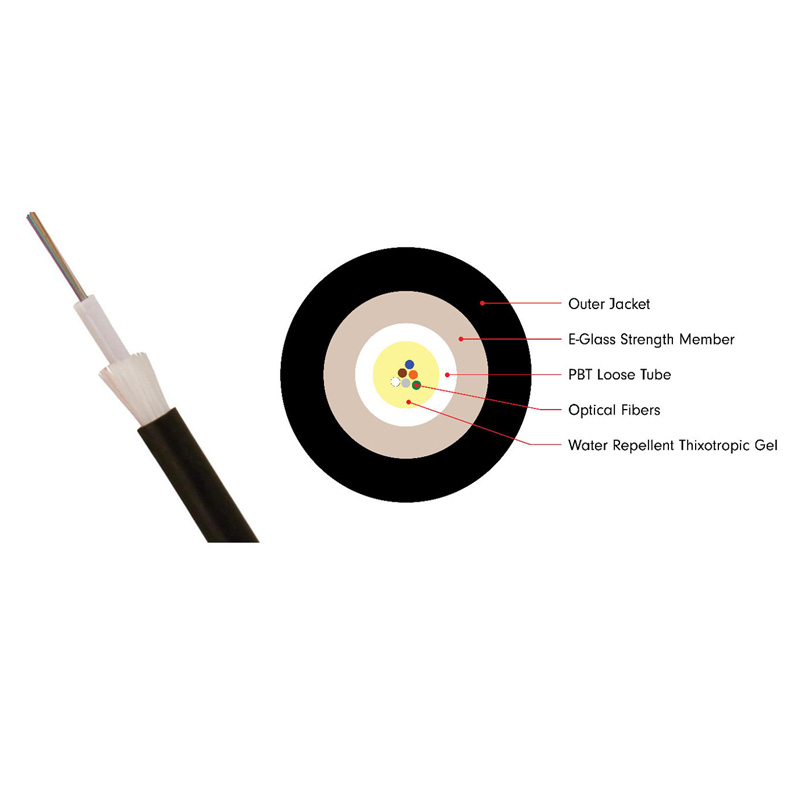
Single loose tube fiber optic cables designed for both indoor and outdoor use are a specialized product that combines the ruggedness of outside plant cables with the fire safety required inside buildings. They are a common choice for campus networks and building backbones, as they can be routed directly from an outdoor environment into a building's interior without needing a transition splice.
✔ Loose-Tube Construction: This design protects the optical fibers within a larger, protective tube. The fibers are free to move slightly, which relieves mechanical stress from temperature changes and cable pulling.
✔ Indoor/Outdoor Rating: These cables are built with a jacket that is both UV-resistant for outdoor sunlight exposure and flame-retardant to meet indoor fire safety codes.
✔ Dry Water-Blocking: Many modern designs use gel-free, water-swellable yarns or tapes instead of messy grease-like gels. This makes the cable "craft-friendly" and easier to prepare for termination.
✔ Fire Safety Ratings: These cables are typically rated for Riser (OFNR) for vertical shafts or Plenum (OFNP) for use in air-handling spaces, depending on the model.
Installation Best Practices
✔ Follow Bend Radius Rules: To prevent signal loss, do not bend the cable tighter than its specified minimum bend radius during installation (typically 10-20 times the cable's outer diameter).
✔ Respect Pulling Tension: These cables have high tensile strength, but you must stay within the manufacturer's specified limits to avoid damaging the fibers.
✔ Use Proper Splice Closures: For outdoor splices, use watertight and dustproof closures to maintain the cable's integrity.
✔ Check Local Fire Codes: Ensure the cable's flame rating (Riser or Plenum) meets the requirements for the building areas it will pass through.
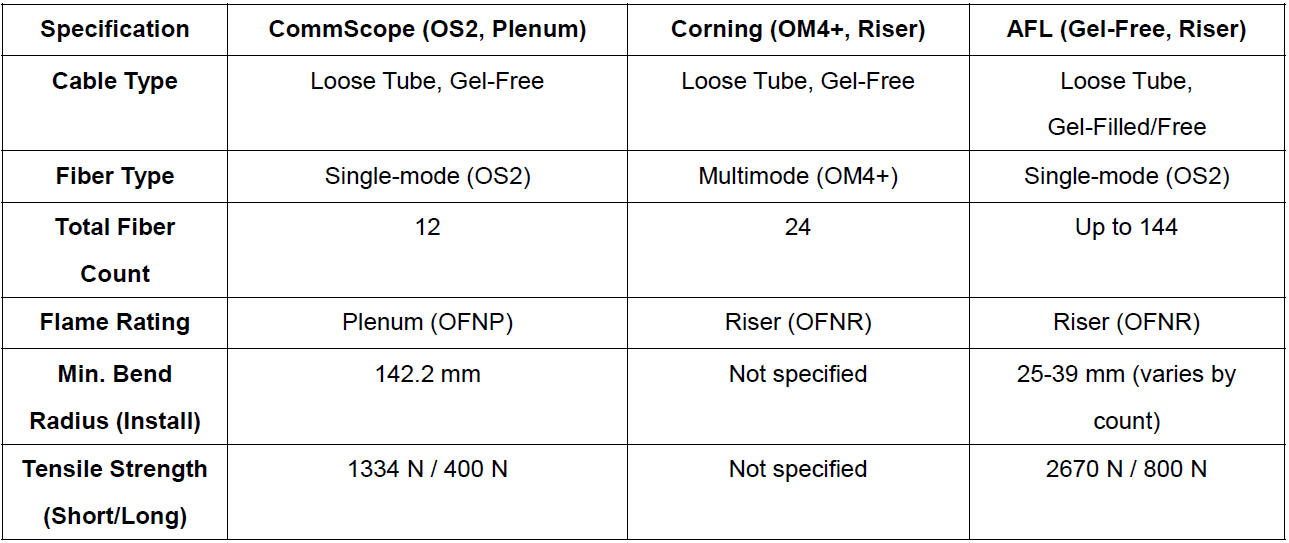
Single loose tube fiber optic cables designed for both indoor and outdoor use are a specialized product that combines the ruggedness of outside plant cables with the fire safety required inside buildings. They are a common choice for campus networks and building backbones, as they can be routed directly from an outdoor environment into a building's interior without needing a transition splice.
Add: No.802, Zhuangyu Business Building, Songhe North Rd, Bao'an District, Shenzhen City, China 518105
Tel: +86.137.1380.1094
Fax: +86.769.8209.1089
E-mail: sales@articfiber.com
Copyright © ARTIC FIBER OPTIC CO.,LTD All Rights Reserved.